Working from home has become the new normal for many professionals. While skipping the daily commute and having more flexibility are definite perks, staying productive at home is not always as easy as it sounds. The laundry needs folding. Deliveries arrive during the day. Family members stop by with questions. Before you know it, you’ve switched between work tasks and household responsibilities so many times that it’s hard to remember what you were working on in the first place. So, how do you actually get things done when your home is also your office? Luckily, remote work productivity is a skill you can build with a few small adjustments. Here are some work from home productivity tips you can start using today.
1. Create a Dedicated Workspace
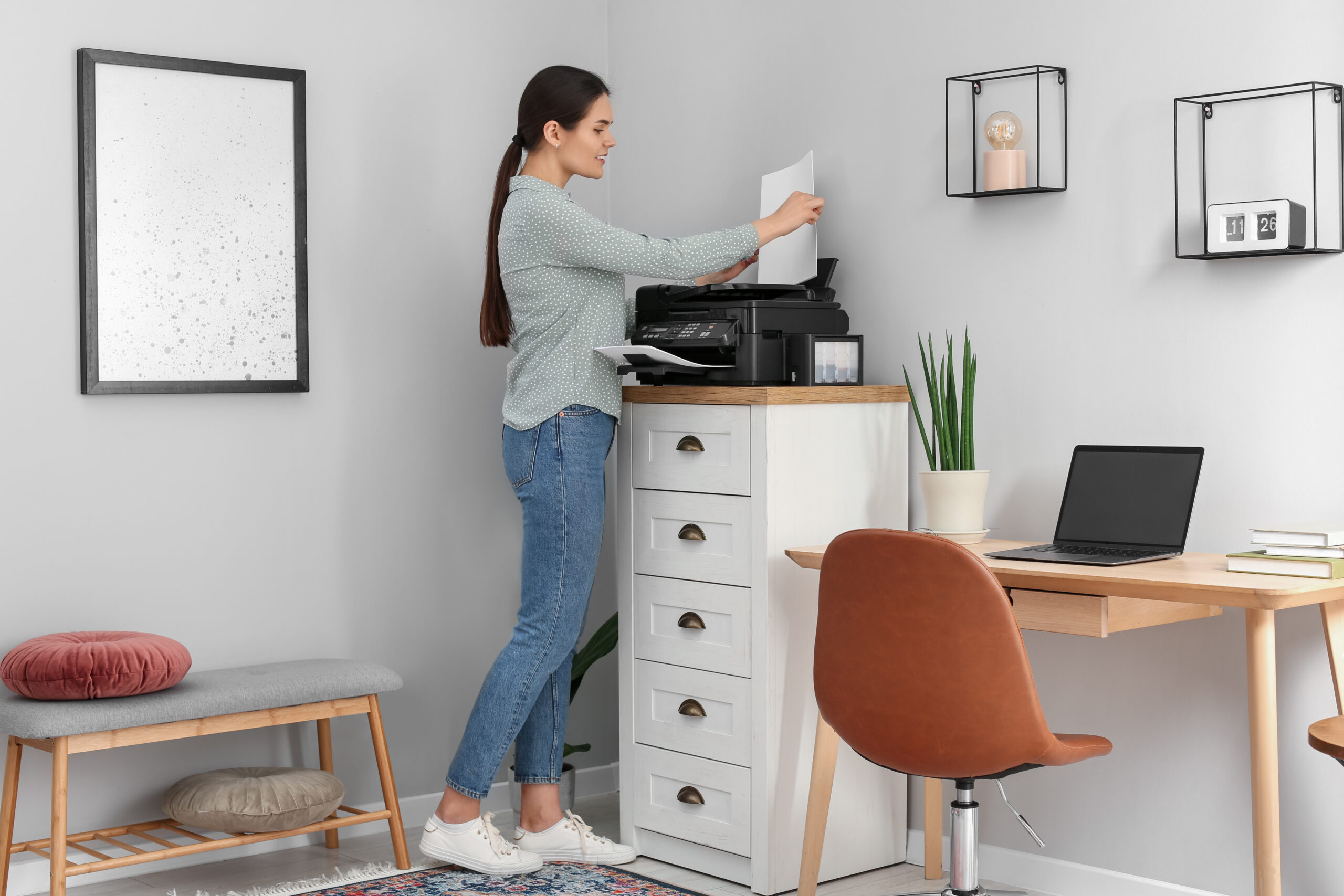
Working from the couch blurs the line between rest and work. If possible, create a dedicated workspace where you can focus with minimal distractions. It does not have to be a separate office. Even a small desk in a quiet corner can help signal to your brain that it is time to work. A productive workspace should include a comfortable chair, good lighting, reliable internet, minimal clutter, and easy access to the tools you use every day. Having a consistent workspace also makes it easier to unplug when the workday ends.
2. Set a consistent start time
Your brain responds well to routine. Starting work around the same time each day creates a familiar rhythm and helps signal that it is time to shift into work mode. You do not need to follow a rigid schedule, but having a consistent starting point can make it easier to settle into your day and stay focused. Choose a start time that works for your schedule, set an alarm if needed, make your coffee, and get started. Over time, this simple routine can become a natural cue that helps you transition from home mode to work mode.
3. Start Your Day With a Plan
One of the biggest advantages of working from home is flexibility. The downside is that it is easy to lose structure. Before opening your inbox, spend a few minutes planning your day. Identify your top three priorities, meetings, deadlines, and any follow-up tasks. Starting with a plan helps you focus on meaningful work instead of reacting to every notification that pops up.
4. Reduce Digital Distractions
According to research, every time you check a notification, it takes an average of 23 minutes to fully regain your focus (“Every Distraction”, 2025). That’s an enormous cost. Use Do Not Disturb mode, close unnecessary browser tabs, and batch your communication into set windows rather than responding in real time. Even short periods of focused work can dramatically improve productivity.
5. Follow the Two-Minute Rule
If a task takes less than two minutes to complete, do it immediately. Replying to a quick email, filing a document, or scheduling a meeting often takes less time than adding it to a growing to-do list. Handling small tasks right away prevents them from piling up and competing for your attention later.
6. Take Short Breaks Throughout the Day
Working from home often causes people to sit at their desks for hours without moving. Ironically, skipping breaks usually leads to lower productivity. Try the Pomodoro Technique: work for 25 minutes, then take a 5-minute break. After four cycles, take a longer break of 15 to 30 minutes. This rhythm keeps your brain fresh and prevents the mental fatigue that creeps in during long, unbroken work sessions. You do not have to follow the technique perfectly. The goal is to create regular opportunities to reset so you can maintain your focus without burning yourself out.
7. Set Boundaries Between Work and Home
One of the biggest remote work productivity killers is the inability to switch off. When your laptop is in the next room, work is always accessible. Set clear working hours and communicate them to your coworkers and family whenever possible. When the day is over, close your laptop/computer, leave your workspace, and turn off work notifications. Healthy boundaries help prevent burnout and make it easier to stay productive over the long term.
8. Batch similar tasks together
Switching between different types of tasks, like writing, then answering emails, then jumping into a strategy session, takes more mental energy than people realize. Group similar tasks together to reduce the cognitive switching cost. Write all your content in one block, and handle all your admin in another.
9. Keep Your Workspace Organized
A cluttered workspace can become a distraction. Take a few minutes at the end of each day to file documents, clear your desk, close unused browser tabs, and prepare for the next day. Starting each morning with an organized workspace helps you get to work faster.
10. Focus on Progress, Not Perfection
Not every day will go exactly as planned. Unexpected meetings, household interruptions, and changing priorities are all part of working from home. Instead of trying to accomplish everything perfectly, focus on making steady progress. Spend five minutes at the end of each workday reviewing what you completed and writing your top three priorities for the next day. This habit, often called a “shutdown ritual,” helps you mentally close out the day and start the next one with clarity rather than chaos.
Frequently Asked Questions
- How can I improve my work from home productivity?
Start by creating a dedicated workspace, planning your day, minimizing distractions, taking regular breaks, and using technology that helps automate routine tasks and improve collaboration
- What technology helps remote employees stay productive?
Cloud document management, video conferencing platforms, project management software, VoIP phone systems, workflow automation tools, and multifunction printers with scan-to-cloud capabilities all help remote employees work more efficiently.
- How do you avoid burnout while working from home?
Set regular working hours, take breaks throughout the day, step away from your workspace after work, and make time for activities outside of work to maintain a healthy balance.
Reference
Every Distraction Costs You 23 Minutes. (2025). TCTEC Innovation. https://tctecinnovation.com/blogs/daily-blog/every-distraction-costs-you-23-minutes