Manufacturing facilities showcase two very different worlds at the same time. On the floor, teams focus on production schedules, safety protocols, equipment performance, and deadlines. In the office, managers juggle customer communication, purchasing, HR, accounting, and logistics. Both sides are essential, which means there must be excellent communication between them. If not, mistakes can happen easily, leading to delays and frustration.
That is why investing in smart office technology is so important. The right tools help bridge the gap and keep everyone moving in the same direction.
See the Big Picture with Connected Displays
Bulletin boards and printed schedules used to be the standard way to share updates on the floor. The problem is that paper gets outdated fast, but digital displays change that. Now, if you walk onto a modern manufacturing floor, you will likely see large digital displays. These are not just for showing the date and time. They are powerful communication hubs that provide real-time information to everyone at a glance. These displays can help your team gain visibility into live data, such as output, goals, and quality control. Dashboards can show units produced per hour against the daily target. They can also highlight pass and fail rates from quality checks. This transparency empowers your team because everyone knows exactly where they stand and what they need to do to hit their targets. This visual feedback loop is far more effective than a report that comes out the next day. Just as importantly, these displays also connect the office to the floor in a tangible way. Sales teams can see production progress on key orders, which helps them give accurate updates to clients. The logistics department can see when products are ready for shipment. This shared visibility keeps everyone aligned and working from the same set of information, which smooths out the entire operational workflow.
Connected displays are great for broadcasting urgent information. Is there a safety concern? An all-hands meeting announcement? A change in the production schedule due to that rush order? You can push a message to every screen in the facility instantly. This ensures that critical updates reach everyone at the same time, reducing confusion and the chance of someone missing an important memo or email.
Talk and Collaborate from Anywhere with VoIP
Old-school phone systems just do not cut it in a dynamic manufacturing environment. Some common frustrations are dropped calls, bad reception in certain parts of the plant, and difficulty reaching people who are not at their desks. Voice over Internet Protocol, or VoIP, solves these problems by running your phone system over your network connection.
With VoIP, a desk phone, a computer, and a mobile app can all be part of the same system. A production supervisor can take a call from a supplier on their smartphone while walking the floor. An engineer can join a video call with a client from their laptop in the office. This flexibility means your team is always reachable, no matter where they are in the facility. Some systems also support paging and intercom features that allow you to reach specific zones or the entire facility in seconds. That is a major improvement over running across the building to deliver a message.
Access Information Securely with the Cloud
Your team needs access to the right information to do their jobs effectively. This includes everything from technical schematics and work orders to HR documents and training materials. Storing this information in filing cabinets or on a single local server creates bottlenecks. Cloud access removes these barriers.
By moving your documents and data to the cloud, you create a single source of truth that is accessible from anywhere. An engineer in the office can update a product blueprint, and a technician on the floor can immediately pull up the latest version on a ruggedized tablet. This eliminates the risk of using outdated information, which can lead to costly mistakes and rework. Cloud access also supports remote work for leadership or sales teams. Even if someone is off-site, they can still view reports, approve documents, or join meetings without slowing operations.
Smarter Printing and Document Workflows
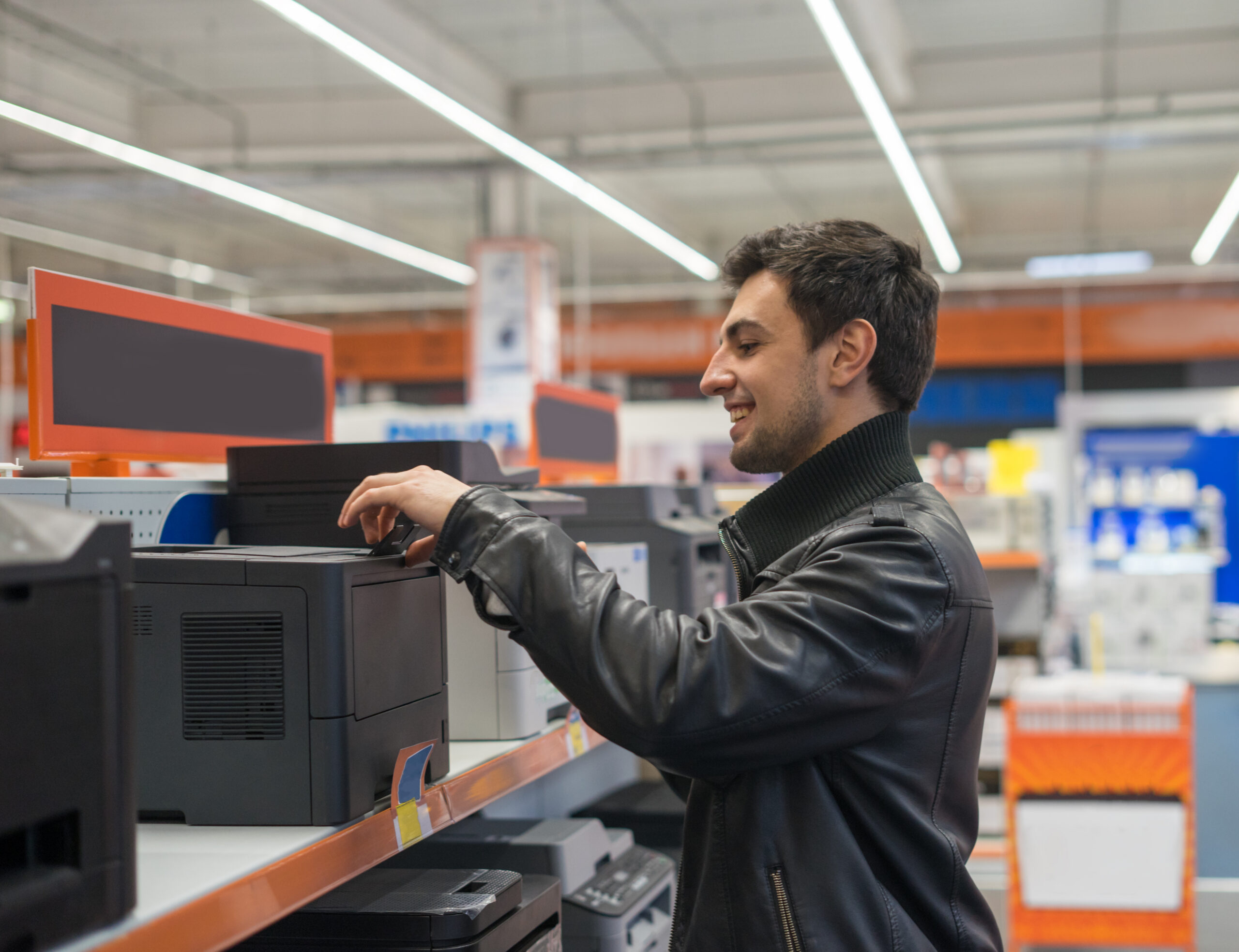
Communication in manufacturing is not limited to verbal communication. It is also paper-based in many cases. Shipping labels, compliance paperwork, quality control documents, and production sheets all need to move quickly and accurately. Smart multifunction printers (MFPs) help streamline these workflows. With secure print release, employees can send jobs to a shared device and release them with a badge or code. This protects sensitive information and reduces print mix-ups. Custom scan workflows can send documents directly to the correct department or cloud folder with one touch. Instead of manually naming files or emailing scanned documents back and forth, automated workflows reduce errors and save time. That means fewer delays between the office and the floor.
Bringing It All Together for a Smarter Factory
When your technology works together, your people do too. The right combination of displays, communication systems, and cloud access creates a more connected, responsive operation from the front office to the production floor.
At AD Solutions, we help manufacturers choose and implement smart technology that closes communication gaps and supports daily operations. From connected displays to modern VoIP systems and multifunctional printers, we design solutions around how your facility actually runs. The goal is simple: clearer communication, fewer delays, and a smoother path from order to delivery. Contact us today for a free consultation.