You finally sit down to tackle an important project when your inbox pings, a coworker stops by with a question, your phone buzzes, and someone starts a conversation just outside your office. Before you know it, you’ve lost your train of thought and spent the last 20 minutes reacting instead of making progress. If this sounds familiar, you’re not alone. According to research, office workers average just 2 hours and 53 minutes of focused work per 8-hour shift (Khrystenko, 2026). The rest gets swallowed by pings, meetings, and “quick” interruptions.
Fortunately, focus is a skill that you can improve with a few intentional changes. Below are a few office hacks to help you stay focused at work, minimize distractions, and accomplish more without working longer hours.
1. Start the Day With Your Most Important Task
It is easy to begin the morning by checking email, responding to messages, or catching up on small administrative tasks. While these activities feel productive, they often delay the work that has the biggest impact.
Instead, identify your highest-priority task before opening your inbox. Spend the first hour of your day focused on that project while your energy and concentration are at their highest. This simple habit helps build momentum and ensures meaningful work gets done before distractions begin to pile up. Pro tip: Set your high-priority task the night before, so you can dive straight in.
2. Turn Off Nonessential Notifications
Every notification competes for your attention. Email alerts, chat messages, software pop-ups, and phone notifications constantly interrupt your concentration. Even brief interruptions can make it difficult to regain your focus.
Consider silencing notifications that are not time-sensitive while working on important tasks. Schedule specific times throughout the day to check email and respond to messages rather than reacting to every alert as it arrives. Reducing digital distractions is one of the simplest ways to improve workplace productivity.
3. Time Block Your Calendar
When every task feels equally urgent, it becomes difficult to stay organized. Time blocking helps by assigning dedicated periods throughout the day for different types of work. For example, you might reserve time for:
- Focused project work
- Email management
- Meetings
- Administrative tasks
- Planning for the next day
Treat these time blocks like appointments. Protecting uninterrupted work time helps reduce context switching and allows you to complete tasks more efficiently.
4. Organize Your Workspace
A cluttered workspace often leads to a cluttered mind. Stacks of paperwork, office supplies, and unnecessary items can create visual distractions that make it harder to concentrate.
Take a few minutes each day to organize your desk. File loose documents, clear away unnecessary items, and keep only the materials you need for your current task. An organized workspace makes it easier to focus and spend less time searching for information.
5. Use Technology to Reduce Manual Work
Many workplace distractions come from repetitive administrative tasks rather than interruptions from other people. Modern workplace technology can automate many of these responsibilities, giving employees more time to focus on meaningful work. Examples include:
- Document management systems that organize and retrieve files quickly
- Workflow automation that routes documents automatically
- AI tools that summarize emails or meeting notes
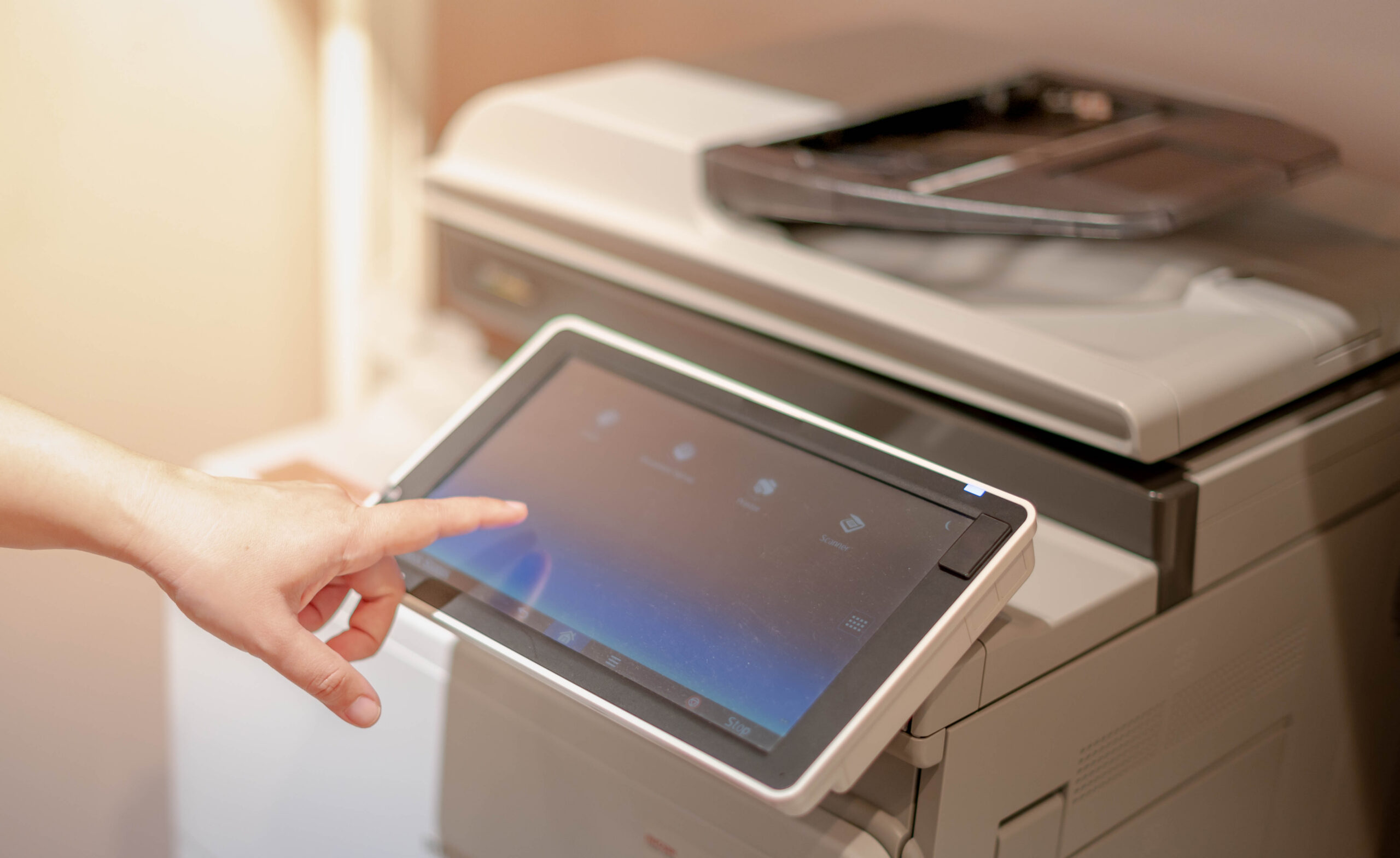
- Multifunction printers that digitize paperwork with one-touch scanning
The less time employees spend on manual processes, the more time they have to focus on higher-value tasks.
6. Take Short Breaks Throughout the Day
Trying to stay focused for hours without a break often has the opposite effect. Short breaks help refresh your mind and improve concentration.
Stand up, stretch, refill your water bottle, or take a quick walk around the office every hour or so. Even a few minutes away from your screen can help you return with renewed focus. Regular breaks also reduce eye strain and mental fatigue during long workdays.
7. Set Boundaries Around Interruptions
Open communication is important, but constant interruptions can make it difficult to complete deep work.
If you are working on a deadline or a task that requires concentration, let coworkers know you will be unavailable for a short period. Some employees use calendar blocks, status indicators, or simply close their office door to signal focused work time. Creating healthy boundaries helps balance collaboration with productivity.
8. Work with your energy, not against it
You’re not equally sharp all day. Track your focus levels hourly for a week, and you’ll spot your peak window. If you’re most alert between 9 and 11 a.m., guard that time for demanding work and push email and admin to your afternoon slump. Planning around your energy beats fighting it.
9. Go async to protect deep work
Not everything needs a meeting or an instant reply. Before scheduling a call, ask whether a short message or a quick recorded video could do the job. Async communication respects everyone’s focus and frees up long stretches of uninterrupted time. It’s one of the most underrated ways of managing interruptions at work.
10. Run a weekly priority audit
Spend 20 minutes every Friday reviewing your week and picking your top priorities for the next one. When you know what truly matters, you stop letting the loudest tasks hijack your attention. This small ritual is one of the simplest productivity tips for the office, and it pays off all week long.
How To Keep Your Focus Momentum Going
Here’s the secret most productivity advice skips: you don’t need all ten hacks at once. Trying to overhaul everything overnight is the fastest route to giving up.
Pick one or two that speak to you, and stick with them until they feel automatic, then layer in another. Small, consistent changes compound into real results, and they’re far easier to defend than a complete reinvention of your workday.
Staying focused in a busy office will never be effortless. But with the right systems, you can stop reacting to every ping and start steering your day with intention. Choose your first hack and try it tomorrow. Your future, less-scattered self will thank you.
Frequently Asked Questions
- How can I stay focused at work when there are constant distractions?
Start by limiting notifications, scheduling dedicated focus time, organizing your workspace, and tackling your highest-priority task early in the day.
- What are some simple office productivity tips?
Time blocking, minimizing notifications, taking regular breaks, keeping an organized workspace, and using workflow automation are all effective ways to improve productivity.
- How does workplace technology improve productivity?
Technology reduces manual work by automating repetitive tasks, organizing documents, improving communication, and streamlining workflows so employees can spend more time on meaningful work.
Reference
Khrystenko, V. (2026, February 18). 50+ employee productivity statistics, data & trends in 2026. WorkTime. https://www.worktime.com/blog/statistics/employee-productivity-statistics