Every office wants to be productive, but productivity doesn’t always break down because people aren’t working hard enough. More often, it’s the small, everyday issues that quietly slow teams down. These productivity killers tend to sneak into routines, systems, and workflows until lost time becomes the norm.
Here are some common productivity roadblocks in the office and a few practical ways to fix them.
1. Slow or Unreliable Technology
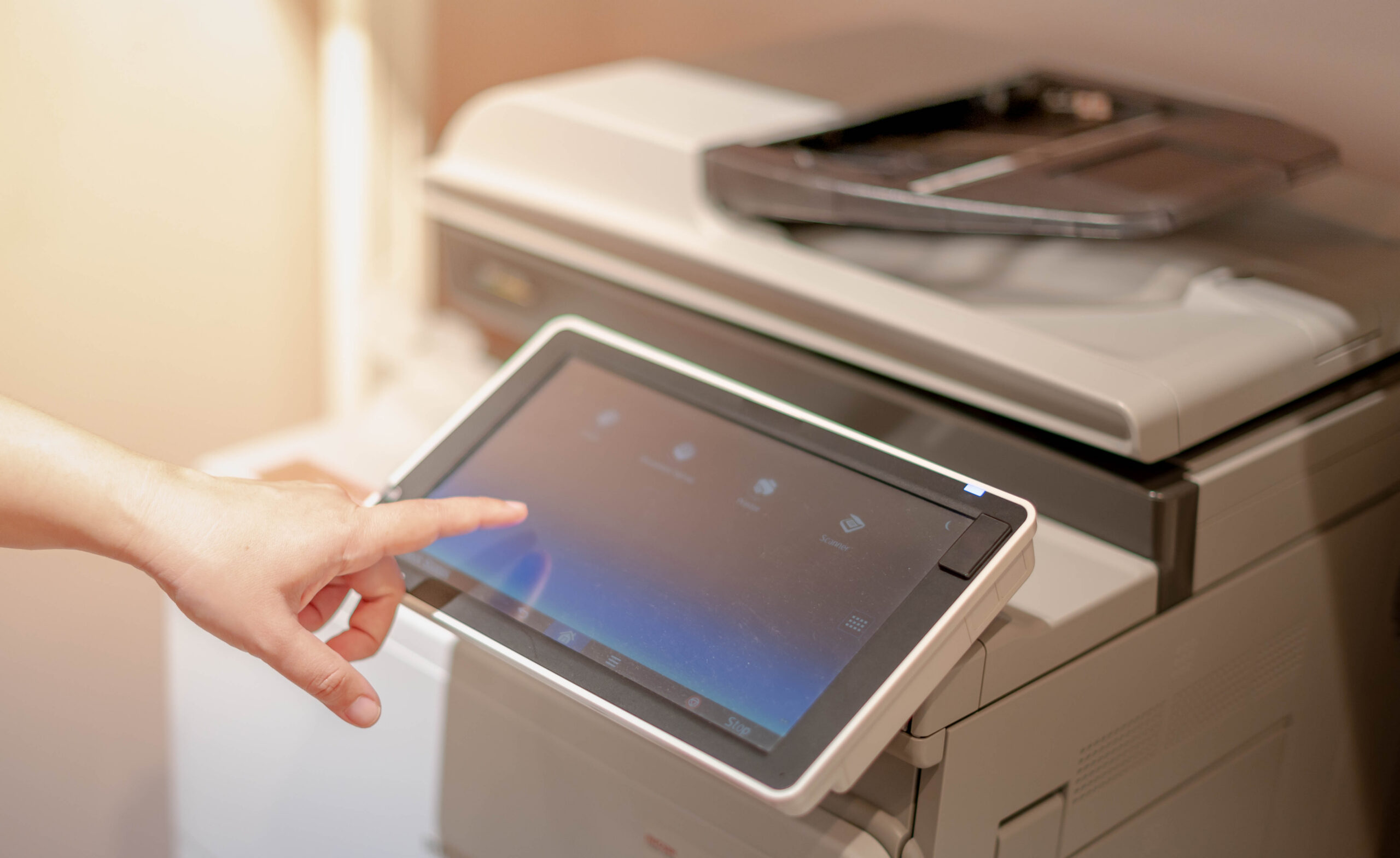
Nothing derails a workday faster than technology that can’t keep up. Slow computers, aging printers, spotty Wi-Fi, and lagging phone systems quietly chip away at productivity all day long.
When employees have to restart devices, reprint documents, or pause their work to fix basic tech issues, those small interruptions add up. Frustration rises, focus drops, and simple tasks take far longer than they should.Make it a habit to review your office technology. If certain tools are consistently slowing people down or causing repeat problems, it’s probably time for an upgrade. Modern office technology is built to be faster, more reliable, and easier to manage. The right tools don’t just support productivity; they protect it.
2. Too Many Meetings (With No Clear Purpose)
Meetings are a necessary part of collaboration, but they often become a major drain on productivity. Back-to-back meetings leave no time for actual work, and poorly planned ones can waste everyone’s time. A meeting without a clear agenda, defined goals, or the right attendees is one of the most common workplace frustrations and can leave employees feeling busy but not accomplished.
Conduct a meeting audit. Before scheduling a meeting, ask yourself if the objective could be achieved through an email, a shared document, or a quick chat. If a meeting is necessary, create a clear agenda and share it in advance. Only invite essential personnel and assign a facilitator to keep the discussion on track. Set strict start and end times and stick to them. Conclude every meeting with clear action items and assigned owners to ensure the conversation leads to progress.
3. Constant Interruptions and Distractions
An open-plan office can foster collaboration, but it can also be a minefield of interruptions. A quick question from a coworker, a non-essential chat by the coffee machine, or an impromptu meeting can completely derail your train of thought. Studies show it can take over 20 minutes to regain deep focus after being interrupted. When this happens multiple times a day, the lost time adds up significantly.
Set clear boundaries around focused work. Encourage employees to block time on their calendars for deep work and use status indicators in chat tools to signal when they’re unavailable. Creating quiet zones, setting core collaboration hours, or limiting notifications during certain parts of the day helps everyone balance teamwork with the uninterrupted time they need to get real work done.
4. Manual, Repetitive Tasks
Many offices still rely on manual processes for tasks like document filing, approvals, data entry, and printing. These repetitive tasks eat up time that employees could spend on higher-value work. Over time, these repetitive processes slow teams down and pull energy away from more meaningful work.
The fix is to simplify and automate where it makes sense. Digital workflows, cloud-based document storage, and multifunction printers that scan directly to email or shared folders can remove extra steps from the day. Automation doesn’t replace people. It gives them time back and focus on problem-solving, collaboration, and work that actually moves the business forward.
5. Cluttered Workspaces and Disorganized Files
Messy desks and scattered digital files do more damage to productivity than most people realize. Searching for documents, emails, or files wastes time and breaks focus. Disorganization also increases errors and stress.
Promote simple organization habits that actually stick. Encourage teams to spend a few minutes at the end of the day clearing their desks and closing out loose papers. On the digital side, use shared folders, clear file naming conventions, and document management tools so everyone knows where things live. A cleaner workspace and a more organized file system help employees move faster, stay focused, and feel more in control of their workday.
6. Lack of Clear Priorities
When everything feels urgent, it’s hard to know where to start. Long, unstructured to-do lists can quickly become overwhelming, causing people to jump between tasks or focus on quick wins instead of meaningful work. The result is a day that feels busy but doesn’t move important projects forward.
Help your team get clear on what matters most. Encourage employees to start each day by identifying their top one to three priorities. These should be the tasks that have the biggest impact, not just the loudest deadlines. Tools like the Eisenhower Matrix can help sort work by urgency and importance, making it easier to focus. Breaking larger projects into smaller steps also removes the intimidation factor and makes progress easier to maintain.
Small Fixes Can Make a Big Difference
Improving productivity doesn’t necessarily require a complete overhaul or major investment. Often, it’s about identifying the everyday friction points and addressing them one at a time. When you remove the small obstacles that slow your team down, you create space for better focus, smoother workflows, and less frustration overall.
Start with one or two changes you can implement this week. Whether it’s tightening up meetings, upgrading a piece of unreliable tech, or helping your team prioritize their day, small adjustments add up quickly. When you’re intentional about how you use time and attention, your team can get more done and feel better while doing so.